
Strategy to help Lancashire's habitats and wildlife to thrive is officially launched
A groundbreaking new Strategy, which aims to help Lancashire’s most important habitats and species to recover and thrive, has been officially launched at a nature reserve.
Lancashire residents, wildlife charities, conservation organisations, land managers and local businesses all helped to shape Lancashire County Council's Local Nature Recovery Strategy. This aims to restore habitats, stop species loss, help local wildlife flourish, and make the environment more resilient, whilst bringing wider benefits to residents and funding opportunities to rural communities.

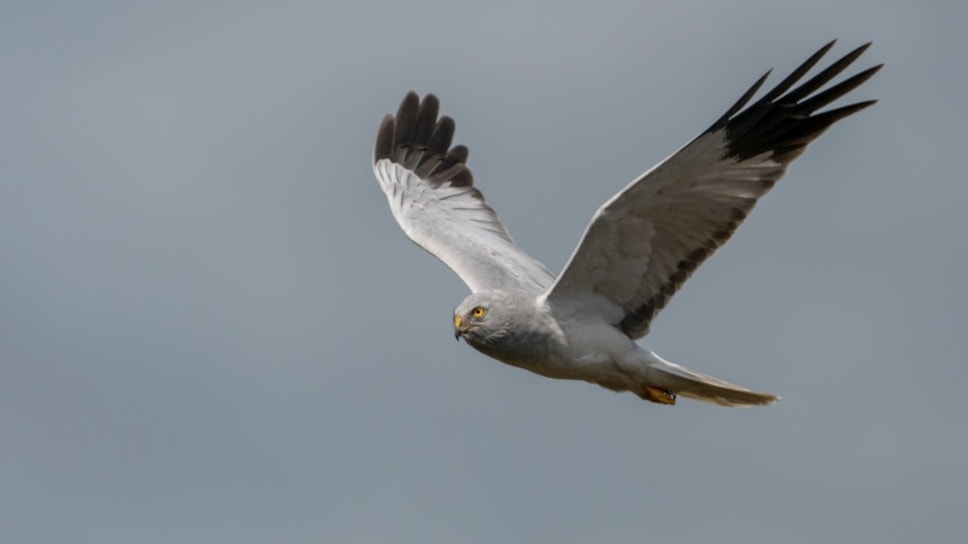
The iconic Hen Harrier, red squirrels, Atlantic salmon, as well as rare bees, moths and butterflies are all on the list of wildlife that could be lost in Lancashire, without important measures to restore their natural homes.
Conservation biologist Professor Sir John Lawton gave a speech at the official launch of the Strategy at Brockholes Nature Reserve in Preston on March 9.
The Strategy includes a new Local Habitat Map for Lancashire which identifies the key areas for nature across the county, looks at what’s putting them at risk, and where the best chances are to restore, enhance, connect and create new spaces for nature. It covers the wider Lancashire area including Blackpool and Blackburn with Darwen.
Its purpose is to assist land managers, developers, planners, environmental organisations, community groups and residents to pursue opportunities to help nature recover, and to target action and funding.
Almost 1,000 people and organisations helped shape the strategy by responding to a survey held in early 2024 with their priorities for nature recovery in Lancashire.

Councillor Joshua Roberts, Lancashire County Council's cabinet member for Rural Affairs, Environment and Communities, gave a speech at the official launch. Speaking afterwards, he said:
"After more than two years of working together, we are now launching the first Local Nature Recovery Strategy for Lancashire.
"Already, the iconic hen harrier, red squirrels, Atlantic salmon, rare bees, moths and butterflies as well as other species are being helped to thrive.
"Lancashire has such beautiful countryside and habitats and this will allow them and local wildlife to flourish."
Lucy Abram, Natural England's deputy director for Cheshire to Lancashire, said:
"Local Nature Recovery Strategies are a vital tool in our mission to halt and reverse the decline of nature across England. The work in Lancashire is an excellent example of how local communities, land managers and conservation organisations can come together to protect and restore the habitats and species that make our natural environment so special.
“We look forward to continuing our work with Lancashire County Council and other partners to turn this strategy into real action, creating bigger, better and more connected habitats where wildlife, natural heritage and people can thrive for generations to come."
Dr Rachael Antwis, Director of Nature Recovery for the Lancashire, Manchester and North Merseyside Wildlife Trust said:
“It was fantastic to see the Lancashire Local Nature Recovery Strategy launched. This provides the foundation from which organisations can work together to create fantastic places for nature and people in Lancashire.
"Nature is not just a 'nice to have' – it is vital for every aspect of human life, from clean water to clear air and health and happiness.
"This Local Nature Recovery Strategy will ensure Lancashire has places for nature embedded into its fabric, and Lancashire Wildlife Trust is looking forward to supporting Lancashire County Council to deliver this ambitious plan.”